
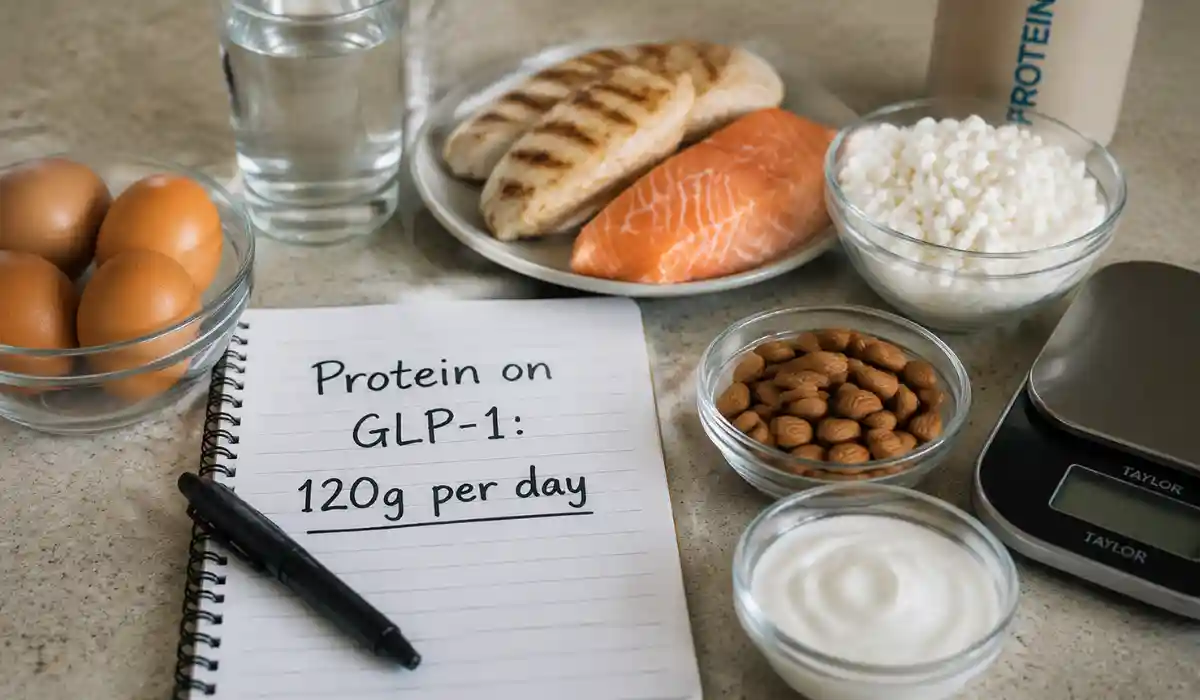


GLP-1 (Glucagon-like peptide 1 receptor agonists) medications, such as semaglutide and tirzepatide, are diabetes medications that mimic the natural gut hormone GLP-1, which are now commonly used for weight loss and blood sugar management. These medications reduce appetite, make people feel full faster, slow down gastric emptying and improve insulin regulation.
While GLP-1s are very effective, they also increase the chances of inadequate protein intake, often done unintentionally. When a person’s appetite decreases, the food intake declines and the first macronutrient to be reduced is protein. Let’s take a look at why proper protein intake matters and its benefits.
Why Does Protein Intake Matter While You’re On GLP-1 Medication?
Taking GLP-1 medications will lead to a significant drop in hunger and food portion size. Although this helps with weight loss, it increases the risk of loss of lean muscle mass due to less protein intake. During calorie control, along with the rapid weight loss, the body may break down the muscles for energy, which can reduce the metabolic rate, cause physical impairment and lead to long term weight maintenance issues.
How Does GLP-1 Affect Appetite And Muscle Mass?
GLP-1 receptor agonists suppress appetite through a number of mechanisms. These medications slow down gastric emptying which extends the feeling of fullness after meals. They also reduce hunger signals and food cravings. Although they are therapeutically useful for weight loss, they can inadvertently lead to inadequate total caloric and protein intake.
Clinical trials done after administration of these medications have shown significant weight loss but in the form of muscle mass instead of fat. This can lead to decreased strength, lesser functioning capability, lesser metabolic rates, and a negative effect on long term weight maintenance.
This loss of muscle mass is more risky for the senior population of 65+ individuals, who already face age related issues, live a sedentary lifestyle and have no resistance training stimulus.
What’s The Recommended Daily Intake Of Protein While On GLP-1s?
The standard recommended daily protein intake for an adult is 0.8 grams per kilogram of body weight. But while using GLP-1 medications, this standard may not be adequate for someone undergoing weight loss.
Experts suggest an increased figure of 1-1.5 grams of protein per ideal or adjusted body weight daily, would be required to preserve lean muscle mass.
Some key suggestions to consider while managing this protein target are:
- Use ideal body weight or adjusted weight instead of current weight for individuals with obesity
- Divide the protein intake across meals instead of one single sitting
- Look for symptoms of inadequate intake such as fatigue, weakness, hair loss, etc.
- Reassess the target every 3-6 months as weight changes
- Always consult a doctor for personalised recommendations
The Best High-Protein Foods For GLP-1 Users
Selecting the appropriate protein sources is essential for individuals taking GLP-1 medications due to the loss of appetite and earlier fullness of the stomach. For a protein rich balanced diet, food products such as the following can be considered:
- High-quality meats of poultry such as turkey,
- Lean cut meats of beef and pork,
- Seafood,
- Eggs,
- Low fat dairy items such as Greek yogurt.
For vegetarians, there are options of vegetables and foods such as:
- Legumes,
- Soy products,
- Whole grains,
- Nuts and seeds.
Plant-based protein can be used by vegetarians or those looking for diverse food options. They include options of protein supplements if solid food intake is limited:
- Whey or plant-based powders,
- Ready-to-use protein shakes,
- High-protein yogurt or milk.
Choosing lean preparations such as steamed, baked or grilled foods can be preferred over fried food items. Added fats can increase nausea and processed meats may have high sodium content. Keeping all these restrictions in mind, consulting a physician who can provide an individualised balanced diet is necessary.
How Does Proper Protein Intake Reduce GLP-1 Medication Side-Effects?
Protein is the building block of the muscle. With GLP-1 medication reducing hunger and lessening the overall food intake, adequate protein intake must be ensured as it is crucial to not lose any lean muscle mass.
A balanced diet which provides adequate protein intake helps with:
- Preserving lean muscle mass
- Supporting metabolic health
- Improving fullness
- Managing blood sugar levels
- Supporting immune and hormone functions
Protein thereby acts as a protection around the metabolic process and reduces the cannibalization of the lean muscle mass for energy requirements of the body.
What Are The Signs Of Protein Deficiency While On GLP-1 Medications?
With the reduced appetite and delayed digestion, inadequate protein intake can manifest in an individual in the form of:
- Lean muscle loss and weakness
- Sudden hair loss, thinning and brittle hair
- Swellings on the hands, feet and ankles
- Poor healing of wounds
- Frequently falling sick
How to Increase Protein Intake on a Reduced Appetite?
Deliberate nutrition is the way forward when an individual is on GLP-1 medications. Paying close attention to what is being eaten and a strategic planning of enough protein density must be achieved. Instead of opting for one big protein rich meal a day, dividing the protein intake into multiple small meals throughout the day can help combat the lower appetite and nausea and other side effects.
Staying hydrated is important as well, as GLP-1 suppresses the feeling of thirst as well. Hydrating the body using a good amount of water or zero calorie drinks can help ease nausea. Small meals peppered with healthy snacks or shakes in between can help with managing blood sugar and reduce over-eating.
Are Protein Shakes Helpful While You’re on GLP-1 Medication?
Protein shakes are a great way to achieve the daily protein requirements of the body without triggering nausea or a feeling of over-fullness. To get the most out of the shakes, it is important to consider options which have high protein but low sugar content. Opting for low fat products and also whey or plant based shakes can also ensure that there are no side effects.
Common Mistakes Made When Increasing Protein Intake
While increasing the amount of protein intake per day while on GLP-1 medications, several mistakes can lead to negative results such as metabolic issues and stomach problems. Some of these common mistakes that must be avoided include:
- Relying heavily on protein shakes all day long
- Trying to take your single day protein content in one sitting
- Forgetting to drink enough water
- Not including fibres and healthy fats in the diet
- Chugging shakes or eating too quickly
- Avoiding strength training or exercises
When To Check In With Your Doctor Or Dietitian
Always consult a doctor or dietitian before taking GLP-1 medication. If an individual isn’t interested in eating or is frequently vomiting or finds other side effects, re-evaluate the dietary plans and methods of intake. Always get an individualised plan of how much protein should be eaten while on GLP-1 medication.
Frequently Asked Questions
What is the list of foods I must eat while taking GLP-1 medications?
While taking GLP-1 medications, your diet plan must include lean proteins, fibre-rich vegetables and healthy fats with minimal or no greasy or sugary foods.
What is the best protein to use while on GLP-1 medications?
While on GLP-1 medications, focus on lean and easily digestible proteins such as skinless chicken breasts, fish, eggs, non-fat Greek yogurt, Tofu, lentils, whey and plant based supplements etc.
How much protein must I take while on GLP-1 medications?
While on GLP-1 medications, you should aim for a target of 1 to 1.5 grams of protein per kilogram of your ideal body weight.
What should I eat on a GLP-1 injection day?
On GLP-1 injection day, focus on small nutrient-dense high protein meals and regular hydration so as to minimise nausea and maximise effectiveness.
What is the diet plan I must follow while on GLP-1 medications?
The diet plan while on GLP-1 medications varies from person to person. Consult your doctor or dietitian and focus on a high protein and high fibre diet to support weight loss, maintain muscle mass and minimise nausea and other side effects.