
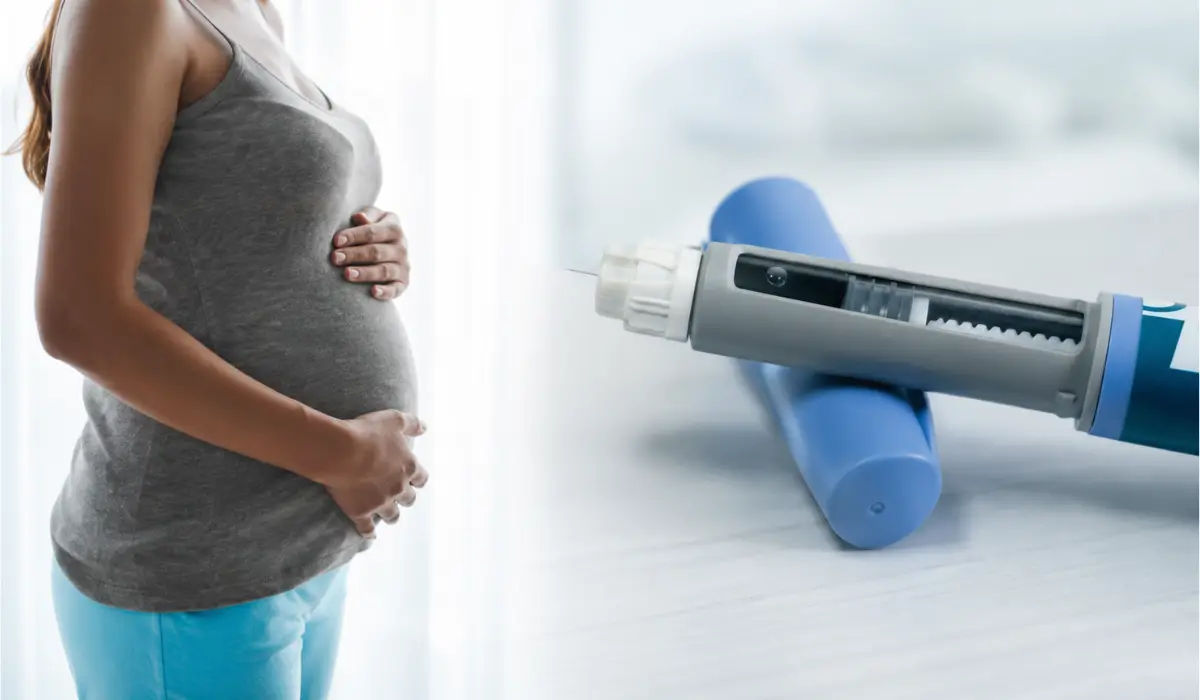


GLP-1 medications are mainly used for weight loss and to control blood sugar levels, but many people now wonder whether these drugs can also affect fertility and pregnancy. Some people notice changes in their menstrual cycle, ovulation, or overall reproductive health while taking GLP-1 drugs. This article focuses on explaining how GLP-1 medications work and how they may affect fertility in both women and men.
What are GLP-1 medications?
GLP-1 drugs can help with managing type 2 diabetes while also aiding weight loss.These drugs act like a natural hormone in the body that helps control hunger, blood sugar, and digestion. This can help control hunger, keep people satisfied for longer, and support better insulin function.
Can GLP-1 medications affect fertility?
GLP-1 medications do not directly act as fertility drugs, but they may affect fertility indirectly through weight loss and hormone changes. Some people experience more regular menstrual cycles, improved ovulation, or hormonal balance after losing weight on GLP-1 medications. Researchers are still studying the full relationship between GLP-1 drugs and fertility, so many questions remain unanswered.
GLP-1 medications and fertility in women with PCOS
Women with PCOS may especially notice fertility changes while taking GLP-1 medications. PCOS is often linked to insulin resistance, irregular periods, and difficulty ovulating. Weight loss and improved insulin control may help restore more regular menstrual cycles. Some studies suggest GLP-1 medications may improve reproductive hormone balance in women with PCOS, although more research is still needed.
Can GLP-1 medications affect ovulation?
Yes, ovulation may improve in some women after weight loss and hormonal changes linked to GLP-1 treatment. Women who previously had irregular cycles may notice more predictable ovulation patterns after improving insulin resistance and body weight. However, not everyone experiences these changes, and fertility improvements can vary greatly between individuals.
Does GLP-1 impact male fertility?
Research on GLP-1 medications and male fertility is still limited. However, obesity, insulin resistance, and type-2 diabetes may negatively affect testosterone levels and sperm health.
Weight loss and improved metabolic health may help improve reproductive health in some men. Scientists are still studying whether GLP-1 medications directly affect sperm quality or testosterone levels.
Can GLP-1 medications increase the chances of pregnancy?
In some cases, yes. People who previously struggled with irregular ovulation or weight-related fertility problems may become more fertile after losing weight on GLP-1 medications. Some women may unexpectedly become pregnant after menstrual cycles become more regular.
Because fertility may improve during treatment, people who do not want pregnancy should discuss contraception with their healthcare provider.
Are GLP-1 drugs safe while trying to conceive?
Doctors generally recommend caution when using GLP-1 medication while trying to conceive. There is currently limited human safety data about using these medications during pregnancy.
Animal studies have raised concerns about possible risks to fetal development. Because of these uncertainties, many healthcare providers advise stopping GLP-1 medications before becoming pregnant.
Why do doctors recommend stopping GLP-1 before pregnancy?
GLP-1 medications stay in the body for a long time, especially drugs like semaglutide and tirzepatide. Since pregnancy safety information is still limited, doctors often recommend stopping the medication before conception to reduce possible risks to the developing baby.
How long before pregnancy should GLP-1 medications be stopped?
The timing depends on the specific medication, but many doctors recommend stopping GLP-1 medications at least several weeks before trying to conceive. Some semaglutide medications may remain in the body for weeks after the final dose. Healthcare providers can give personalized recommendations based on the medication type, health history, and pregnancy plans.
Fertility changes people may notice while taking GLP-1s
Some people notice more regular periods, changes in appetite, improved energy, weight loss, or changes in hormone-related symptoms while taking GLP-1 medications. Women with PCOS may notice improved cycle regularity or ovulation. However, experiences differ generally, and not everyone will notice fertility-related changes during treatment.
Risks and unknowns surrounding GLP-1 use and pregnancy
There are still many unknowns about GLP-1 medications and pregnancy because long-term human studies remain limited. Researchers are continuing to study possible effects on fetal development, fertility, and reproductive hormones. People who become pregnant while taking GLP-1 should contact their healthcare provider for guidance and monitoring.
When to talk to your doctor about fertility and GLP-1 medications?
You should speak with your doctor if you are trying to conceive, planning pregnancy, or noticing fertility changes while using GLP-1 medications. Medical advice is especially important for women with PCOS, irregular periods, or fertility concerns. Doctors can help decide whether continuing or stopping treatment is appropriate based on individual health needs and pregnancy goals.
Conclusion
GLP-1 medications may affect fertility indirectly through weight loss, hormone balance, and improved insulin resistance. Some people, especially women with PCOS, may notice more regular ovulation or increased chances of pregnancy during treatment.
However, these medications are not approved fertility treatments, and pregnancy safety information remains limited. Because of possible risks and unknowns, doctors often recommend stopping GLP-1 medication before conception. Anyone planning a pregnancy should discuss treatment decisions carefully with a healthcare provider.
Frequently Asked Questions
Are GLP-1 drugs safe during pregnancy?
Doctors usually recommend stopping them before pregnancy due to limited safety data.
Can GLP-1 medication increase pregnancy chances?
Yes, fertility may improve in some people during treatment.
Do GLP-1 medications affect ovulation?
They may help improve ovulation in some women after weight loss.
Should I stop GLP-1 before trying to conceive?
Many doctors recommend stopping the medication several weeks before pregnancy.