
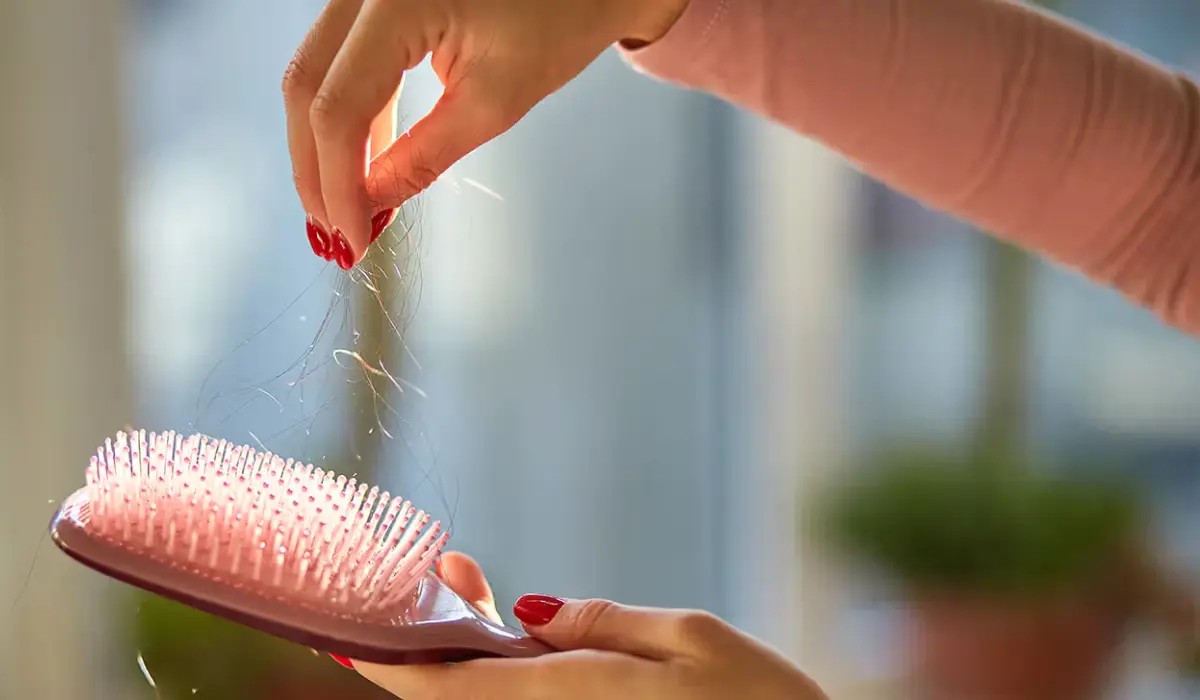


Glucagon-like peptide-1 or GLP-1 drugs have recently become the go-to medication among patients who have type 2 diabetes or obesity. But some individuals taking GLP-1 drugs have reported hair loss as a possible side effect.
But currently there are no studies that link GLP-1 directly to hair loss. It is said to be mainly caused by the sudden weight loss that occurs as a result of using the medication. Let’s take a look at what actually causes the hair loss and how it can be prevented.
What Are GLP-1 Medications?
GLP-1s, or glucagon-like peptide-1 receptor agonists, are diabetes medications that are now commonly used as weight loss drugs. They include several medicines, mainly semaglutide, liraglutide, and tirzepatide, which are sold under brand names such as Ozempic®, Wegovy®, Mounjaro®, and Zepbound®.
These drugs mimic the natural gut hormone GLP-1, which is released after a meal. They help manage blood sugar, or glucose, levels and can lead to rapid weight loss in the process. This is why they are widely preferred for type 2 diabetes management and obesity control.
Can GLP-1 Medications Cause Hair Loss?
Extreme or rapid weight loss has sometimes been linked with causing hair loss. This is a temporary and often reversible kind of hair loss, known as telogen effluvium. Telogen effluvium hair loss is said to take place after a stressful event in the human body.
The rapid weight loss evokes a psychological stress response in humans. The body, in order to save energy to be used by the vital organs, makes more hair follicles to undergo a premature transition into the shedding phase.
Hair loss can also be caused by the common dietary restrictions during the medication period, which may lead to the patient’s body lacking the required proteins, vitamins, and nutrients that are vital for the growth of new hair follicles.
Why Does Hair Loss Occur When You Have Rapid Weight Loss?
Humans normally lose around 50 to 100 hair strands every day. Hair loss usually becomes noticeable only when a person loses more than 300 strands per day, as this level of shedding can make the hair look visibly thinner. Hair loss can happen for several reasons, and one of them is telogen effluvium, which was mentioned earlier.
In a normal hair cycle, hair follicles pass through three stages. The first is the growth phase, called anagen. The second is the transitional phase, called catagen. The third is the resting phase, called telogen, which happens before a new hair strand is ready to grow from the same follicle.
Telogen effluvium disrupts this cycle and causes about 25% of hair follicles to enter the resting, or telogen, phase too early, leading to shedding. This hair loss usually begins suddenly and may last nearly 6 months. It is often triggered by stressful changes in the body, such as rapid weight loss, but it does not usually cause baldness or permanent hair loss.
Nutritional Deficiencies Linked To Hair Loss On GLP-1
While taking GLP-1 medications, patients may need to follow a strict diet plan. Changes in eating habits can sometimes cause a person to eat too little, which may affect overall nutrition.
This can lead to missing important nutrients such as protein, iron, zinc, and others, which may make hair loss worse. Adjusting the diet to include enough protein and key nutrients, avoiding crash diets, and using supplements when needed can be helpful.
Since GLP-1 drugs can reduce appetite, patients should focus on a balanced and nutritious diet. It is better to choose nutrient-rich foods instead of ultra-processed foods or refined carbohydrates, which may lack the essential nutrients the body needs.
How To Prevent Or Reduce Hair Loss While Taking GLP-1 Medications?
If a patient notices hair loss while taking GLP-1 drugs, they can start with a simple self-evaluation to understand the possible cause. They should consider whether the hair loss began after starting GLP-1 medication.
They can also discuss their current eating habits with their doctor and check whether stress or lifestyle changes may be contributing to the problem. Since many people eat less while using GLP-1 medication, a poor diet may lead to nutrient deficiencies.
Blood tests can help check for vitamin and nutrient deficiencies and show whether they may be linked to increased hair loss. If deficiencies are found, the patient may need a revised diet with enough protein and may also consider slowing the pace of weight loss treatment under medical guidance.
Other Possible Causes Of Hair Loss To Consider
Apart from the effects of GLP-1 medications and dietary changes while taking them, there may be other causes of hair loss that cannot be ruled out. Hormonal changes related to pregnancy, menopause, thyroid disorders, or stopping hormonal birth control can also trigger hair loss.
Postpartum hair loss is also common among new mothers. In addition, undiagnosed medical conditions such as autoimmune diseases and certain allergies may contribute to hair loss, making it important to consider other possible factors as well.
Conclusion
Although sudden hair loss can seem like an alarming side effect of GLP-1, this can mostly be just the side effect of the rapid and huge weight loss that the body went through. It is linked with the nutritional gaps that arise while taking the medication. A proper consultation and revised dietary practices can lead to hair growth stabilising and being normal after a period of six to eighteen months.
Frequently Asked Questions
How to treat hair loss due to GLP-1?
GLP-1 does not directly cause hair loss. But to deal with the hair loss that comes with the rapid weight loss, try changing diet plans, slowing down the weight loss rate and doing scalp care.
Is GLP-1 hair loss reversible?
Hair loss after taking GLP-1 medication is only a temporary condition that will go back to normal in six to eighteen months.
What is the best supplement for GLP-1 hair loss?
The best approach is to take a combination of vitamins and minerals such as Biotin, Zinc, Vitamin D, etc., to improve follicle growth and increase your protein intake.
Is GLP-1 hair loss caused by DHT?
Hair loss due to GLP-1 medication is not linked with DHT but due to Telogen effluvium which is caused by psychological stress or lack of necessary nutrient intake.
Which GLP-1 medication does not cause hair loss?
No GLP-1 medication causes hair loss directly. The hair loss (Telogen effluvium) may be a temporary effect of psychological stress and lack of vital nutrients in the body, or other unrelated medical conditions.