
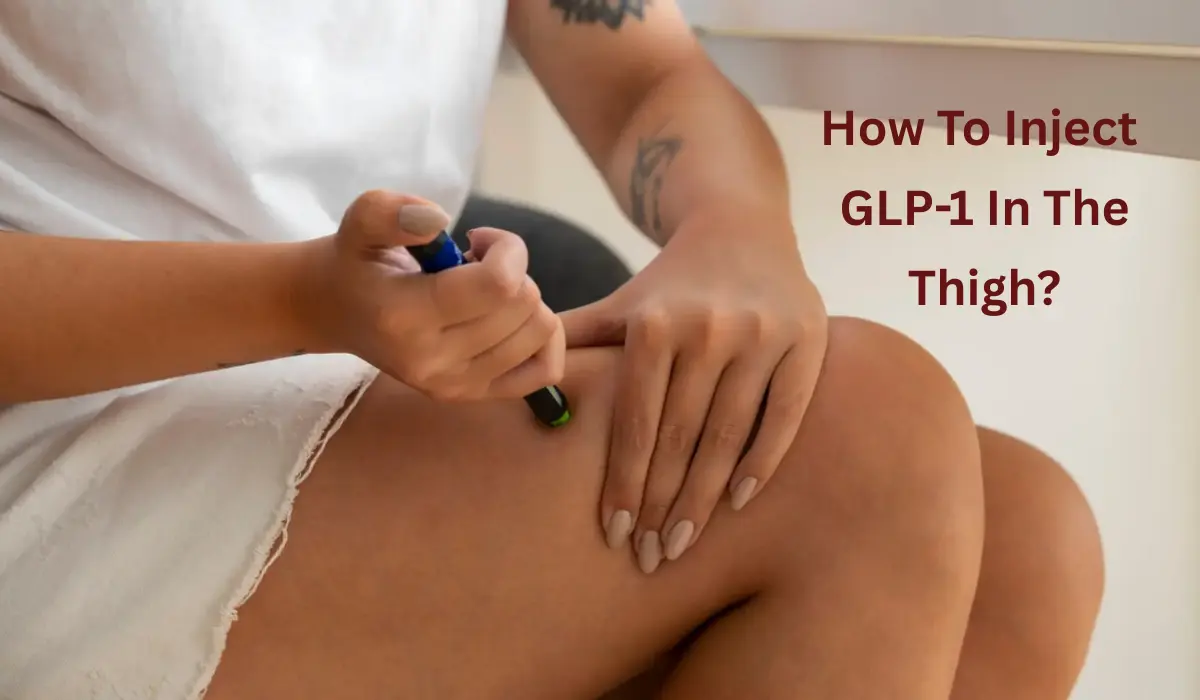


GLP-1 medications are commonly used for weight loss and type-2 diabetes, and many of them are given as injections. For beginners, injecting medication can feel confusing or uncomfortable at first. The thigh is one of the most common and easiest places to use GLP-1 injections. In this article, we will cover everything you need to know to inject GLP-1 in the thigh safely.
What are GLP-1 injections?
GLP-1 injections are medications that help control appetite and blood sugar by mimicking the action of glucagon-like-peptide-1. It regulates hunger and slows down digestion, thereby helping lose weight. Popular GLP-1 injections include Wegovy, Mounjaro, and Zepbound. Most GLP-1 medications are given as injections under the skin using a pen device with a very small needle.
Why is the thigh a common injection site for GLP-1 medications?
The thigh is a popular injection site because it is easy to see and reach without help. Many people feel more comfortable injecting into the thigh compared to the stomach or upper arm. The thigh also usually has enough fatty tissue for proper subcutaneous injections, which means the medicine goes into the fat layer under the skin instead of deep into muscle. Another advantage is that people can sit down comfortably while giving the injection, making the whole process more controlled.
Where exactly to inject GLP-1 in the thigh?
GLP-1 injection should usually be given in the front or outer part of the upper thigh. The best area is between the hip and the knee, avoiding the inner thigh and areas close to the knee. Many healthcare providers recommend choosing a spot about halfway down the thigh. Avoid areas with bruises, cuts, swelling, scars, or irritated skin. Changing the exact injection spot each time may also help reduce irritation.
Step-by-step guide to injecting GLP-1 in the thigh
Below are the steps you need to follow while injecting GLP-1 injections.
- Wash your hands with soap and water.
- Gather the injection pen, new needle, and alcohol swab.
- Check the medication label and expiration date.
- Clean the injection area with alcohol and allow it to dry.
- Attach a new needle if required by the pen.
- Sit comfortably and relax your leg muscles.
- Pinch the skin gently if instructed by your healthcare provider.
- Carefully insert the needle into the skin at a straight angle.
- Press the injection button fully.
- Hold the pen in place for several seconds before removing it.
- Safely remove and dispose of the needle.
How to prepare your GLP-1 injection safely?
Before injecting, always check that the medication looks clear and normal. Do not use the pen if the liquid looks cloudy, frozen, or discoloured unless the instructions specifically say that appearance is normal. Use a clean needle every time to reduce the risk of injection or irritation. It is also important to store the medication properly by following the instructions provided on the package. Some GLP-1 pens require refrigeration before first use.
Best position for injecting GLP-1 into the thigh
Most people find it easier to inject while sitting in a chair with the leg relaxed. Sitting helps stabilize the thigh and makes it easier to see the injection site clearly. Standing may also work for some people. But relaxing the muscles is important because tense muscles can make the injection less comfortable. Good lighting can also help you clearly see the injection site and ensure correct placement.
How deep should a GLP-1 injection go?
GLP-1 medications are designed to go into the fatty layer under the skin, not deep into the muscle. The short needles included with GLP-1 pens are made for subcutaneous injection and usually enter at a 90-degree angle. There is generally no need to push the needle deeply or forcefully. Following the pen instructions carefully helps ensure proper injection depth.
Do you need to rotate thigh injection sites?
Yes, rotating injection sites is recommended. Using the exact same spot repeatedly may increase the risk of irritation, swelling, lumps, or skin thickening over time. Many people alternate between the left and the right thigh or move slightly to a different area each week. Rotating sites may help keep the skin healthier and make injections more comfortable.
Common mistakes to avoid when injecting GLP-1 in the thigh
Common mistakes include injecting into irritated skin, reusing needles, removing the pen too quickly, or forgetting to rotate sites. Some people may also inject too close to the knee or inner thigh, which can also be more sensitive. Another mistake is not holding the injection pen in place long enough after pressing the button. This may cause medication leakage before the full dose is delivered.
Does injecting in the thigh hurt more than the stomach or arm?
Pain levels can vary from person to person. Some people find thigh injections slightly more noticeable because the area might have less fatty tissue than the stomach. Others prefer the thigh because it feels easier to control during self-injection. Using a new, sharp needle, relaxing the muscles, and allowing refrigerated medication to warm slightly before use may help reduce discomfort.
Can the injection site affect GLP-1 absorption or side effects?
The stomach, thigh, and upper arm are all approved injection sites for many GLP-1 medications. Small differences in absorption speed may happen between areas, but these differences are usually minor. Some people believe certain sites cause fewer side effects, but reactions vary individually. Rotating injection areas regularly can help reduce skin irritation regardless of the chosen site.
What to do if you notice bruising, swelling, or irritation?
Mild redness or small bruises can happen occasionally after injections and often improve within a few days. Applying light pressure after removing the needle may help reduce bruising. However, severe swelling, intense pain, warmth, pus, or signs of injection should be reported to a healthcare provider. Avoid injecting again into irritated areas until the skin fully heals.
Safe Ways to Dispose of GLP-1 Pens and Needles
Used needles should always be placed in a sharp disposal container. Never throw loose needles into household trash. Some pharmacies, hospitals, or community programs offer safe sharps disposal services. Following local disposal rules helps protect family members, sanitation workers, and the environment.
Conclusion
Injecting GLP-1 medication into the thigh is a common and simple option for many people. Choosing the correct area, rotating sites, and following proper injection steps may help make the process safer and more comfortable. Mild discomfort can happen occasionally, but careful technique usually reduces problems. If you ever feel unsure about your injection method or notice unusual side effects, speaking with your doctor can help ensure safe and effective treatment.
Frequently asked questions
Where should I inject the GLP-1 in the thigh?
The front or outer upper thigh is usually recommended.
Can I inject GLP-1 into the same spot every time?
No rotating injection sites are recommended to reduce irritation.
Do thigh injections hurt more?
Some people notice more comfort, while others prefer other areas.
How deep should the needle go?
GLP-1 injections go into the fatty layer under the skin.
What if I see bruising after an injection?
Small bruises are common and usually improve within a few days.